if you have bought something from cold and deadly, here are some tips!
PLants
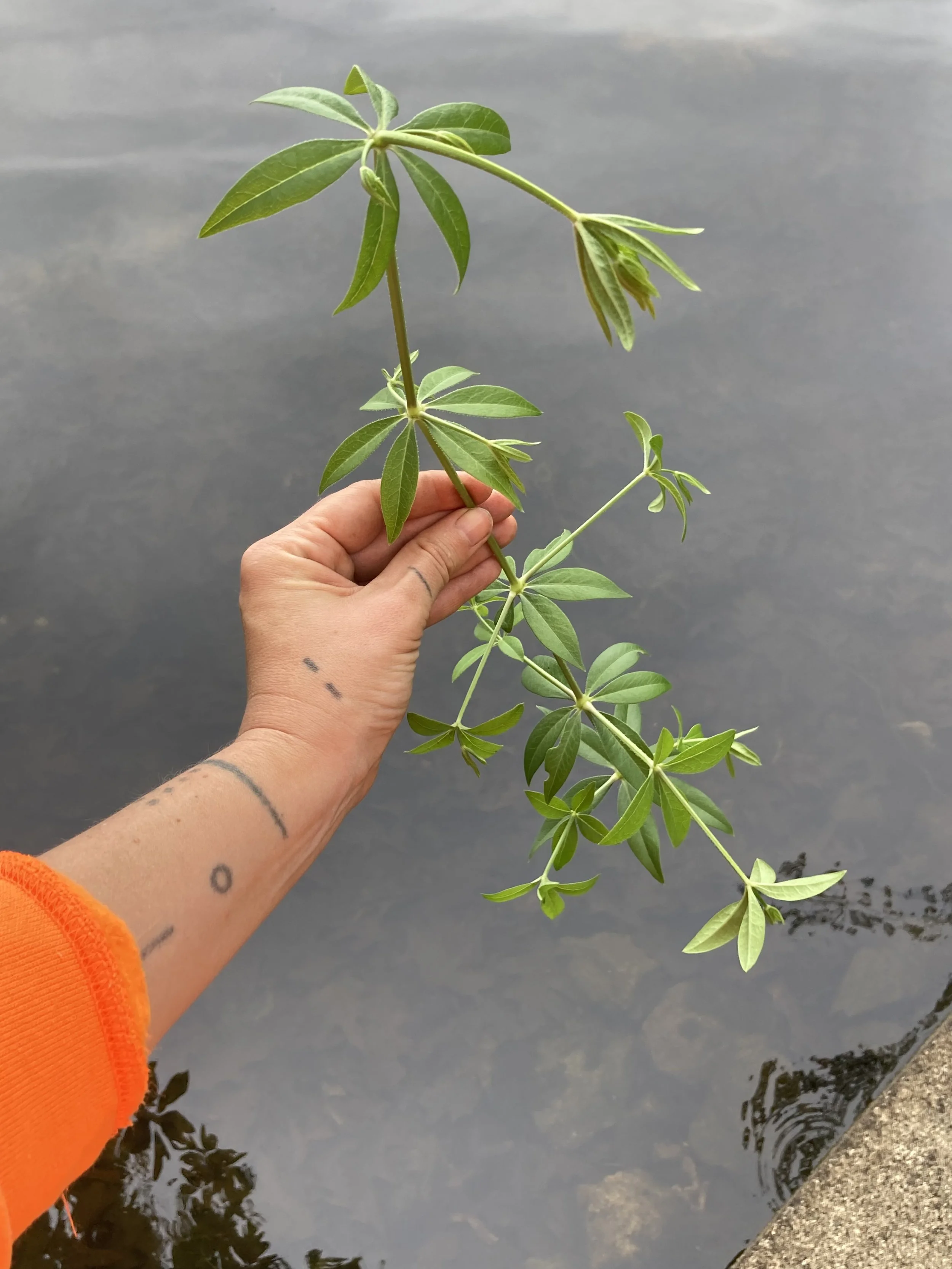
madder (Rubia tinctorum)
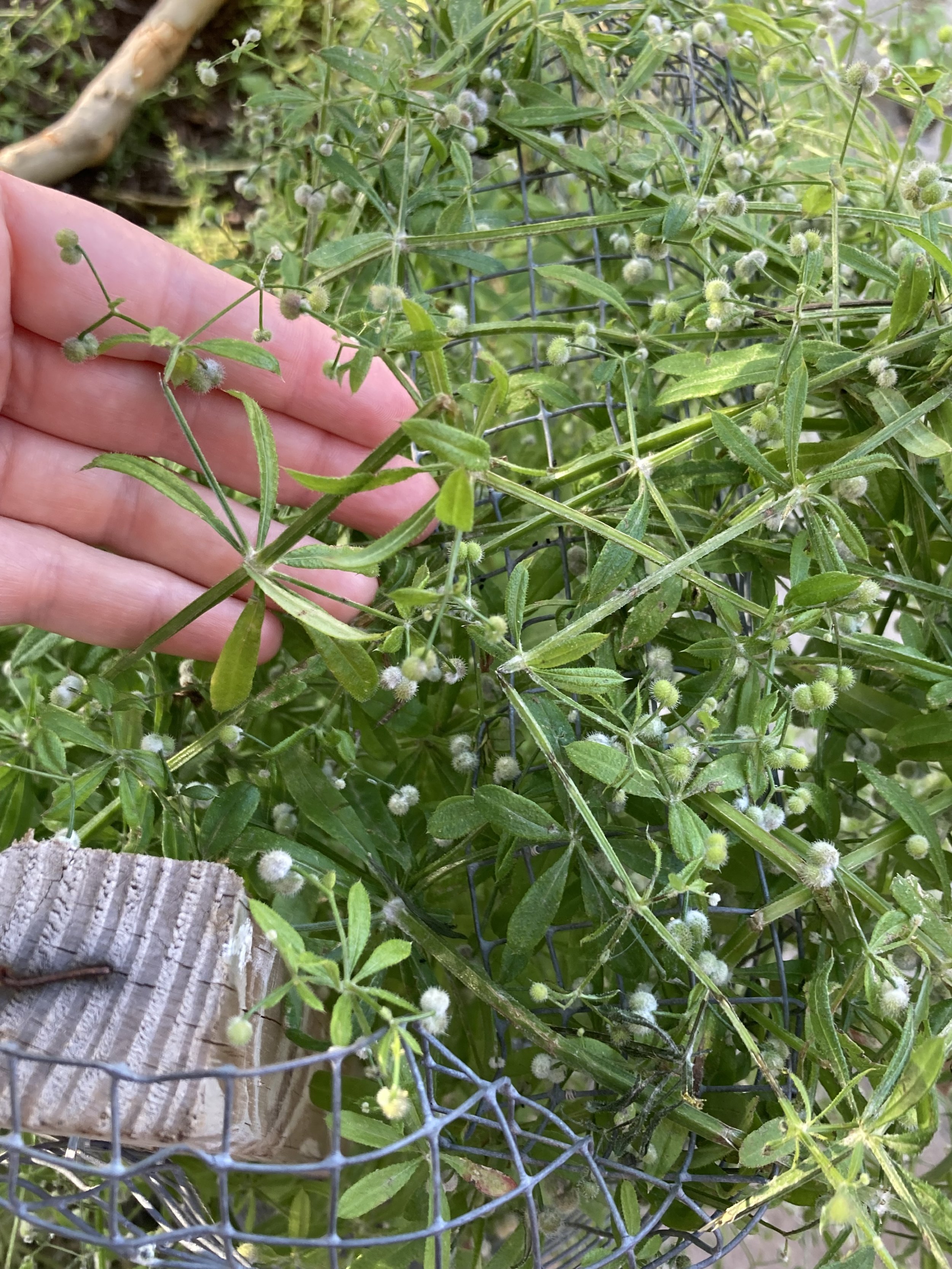
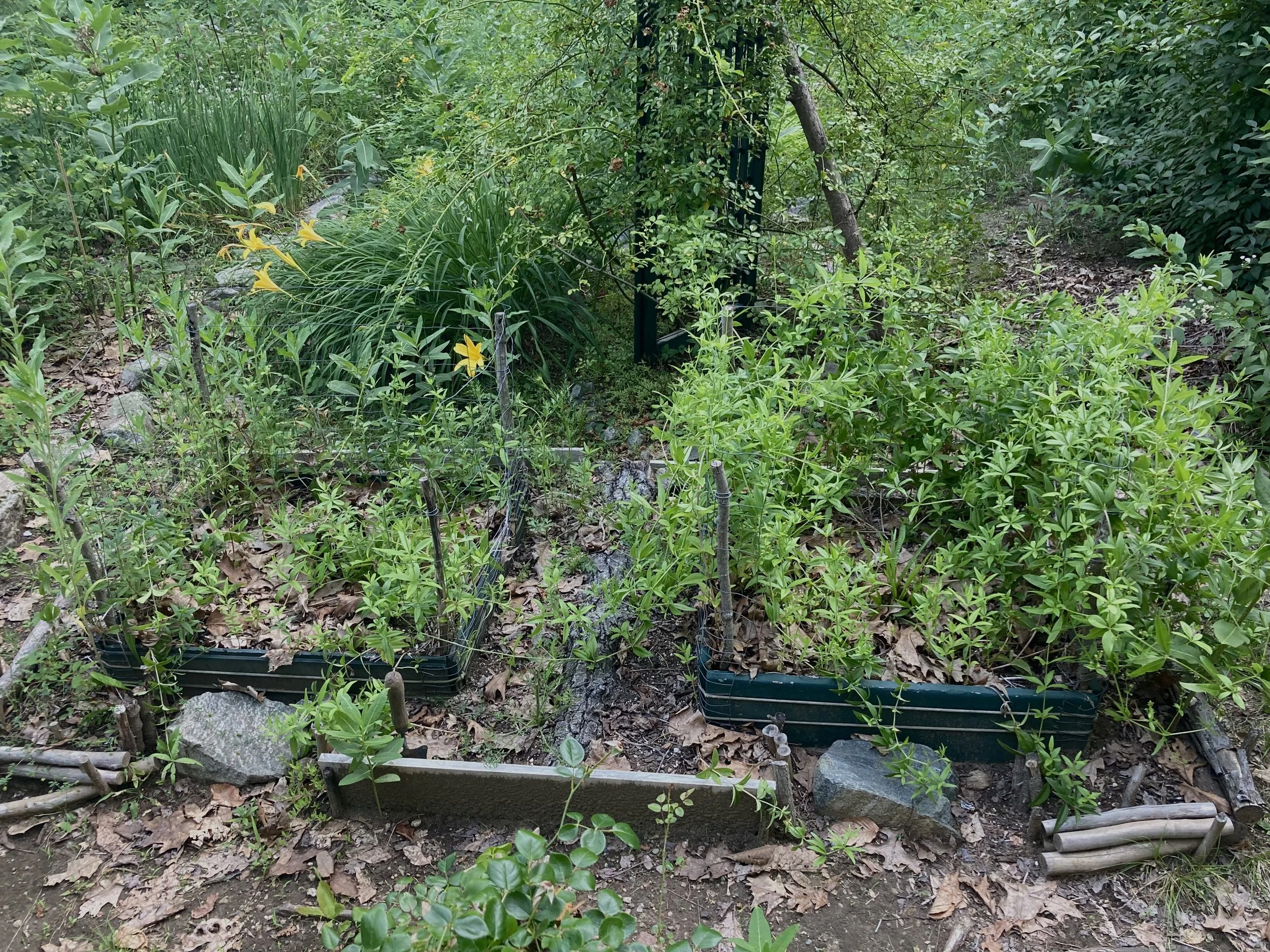
Madder plants are quite hardy but they do like to be treated to calcium and nitrogen regularly. They also spread aggressively. Keeping them in containers or raised beds is great for preventing spreading, and also makes collecting the mature roots much simpler.
They are rangy, vine-like plants with little grippy hooks on their stems. Wear gloves and longs sleeves when weeding and handling to avoid skin irritation. If tidiness is a concern, provide a structure to keep their tendrils somewhat organized. Trim as you see fit: it doesn’t impact the color yield of the roots to do so regularly or aggressively.
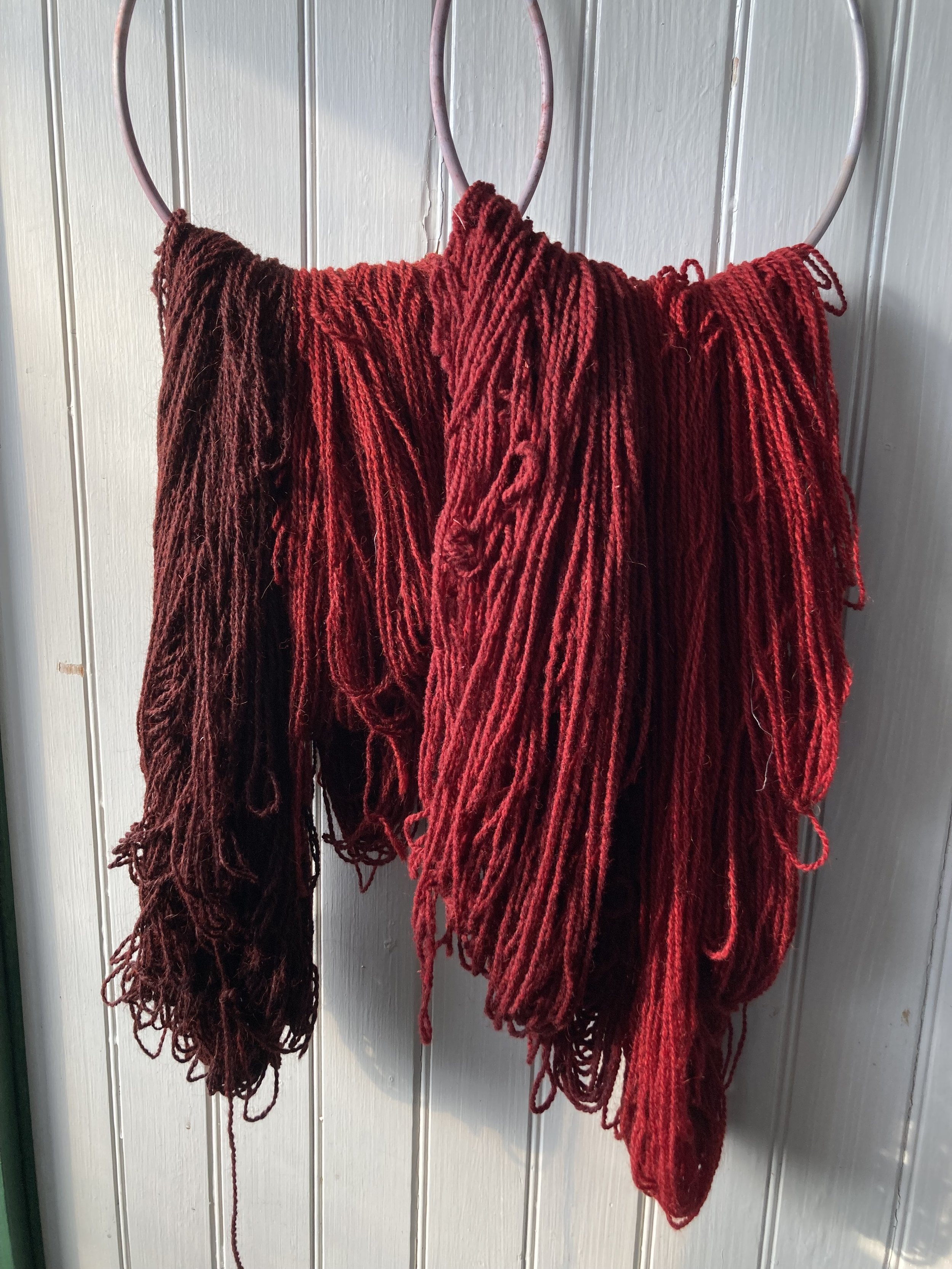
It takes a minimum of 3 years to get full color from the roots. The harvested roots should be cut up and dried before use for maximum depth of tone. Soak them overnight, grind them in a blender, and simmer to extract, then let the dye bath cool before use. Leave the roots in the dye bath with your fiber to get the most complex tones, but put them in a cheesecloth bag if you’re dyeing yarn, wool fabric, or loose fiber.
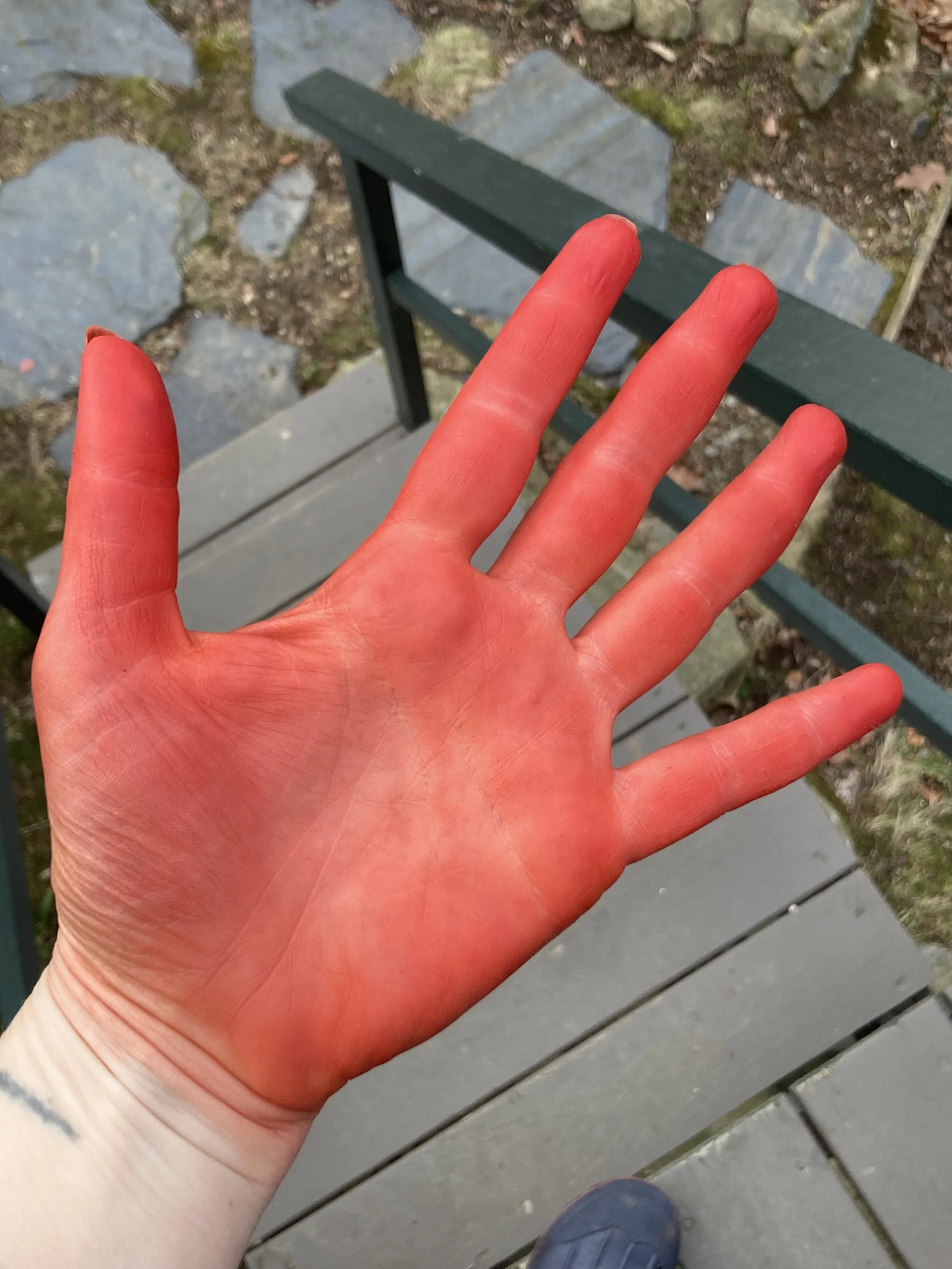
printed or dyed cotton
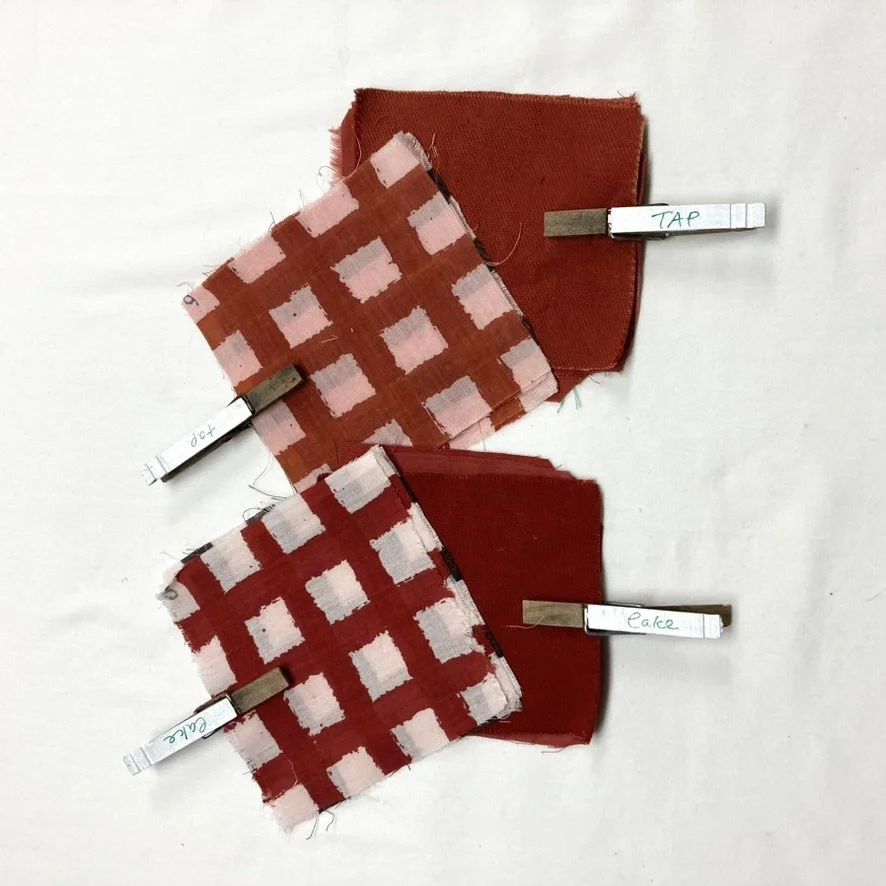
Dyed goods can be washed like you wash your own clothing and textile pieces, though I would recommend selecting cold or warm water, with no bleach, and a gentle biodegradable detergent. Line dry if possible, but they can also survive a dryer cycle. Line drying and cool dryer cycles are best for all textile goods, regardless of fiber type or dye stuff, and best for the environment.
Cold and Deadly goods are all printed or dyed using the most permanent dyes and dye processes. Some alum-mordanted dye colors that are rich in tannins, like pomegranate or some versions of madder (which is often paired with tannin in the dyeing process) will darken over time. The backgrounds of the printed pieces will also lighten with wear and washing. Pieces printed in The Dyed Style (mordant printing) rarely fade dramatically unless exposed to harsh sunlight for a long duration of time, or in contact with harsh solutions like aggressive detergents or facial care that is not of a neutral pH.
Printed or dyed silk
Silk needs to be hand-washed in cool water with a neutral detergent and hung to dry.
Printed silk has been printed using the direct application method, and steamed to set. Do not store these pieces in direct sunlight or expose them to harsh body lotions, aggressive detergents, or solutions with an intense pH (like lemon juice.) Hand wash quilted pieces with care, as the padding in them is loose-weave wool and can felt under aggressive treatment or when exposed to sudden high temperatures when wet. Do not wash quilted pieces in hot water, or dry them in a drier. They will felt and shrink dramatically.
dyed wool yarn
Yarn purchased for personal projects has been dyed and finished to an industrial standard. You may encounter some bleeding in the first couple washes, but it should be negligible. Please use cold to lukewarm water for blocking and aftercare, and a neutral detergent appropriate for wool. If you want to maintain the soft hand of your fiber, consider adding some cream of tartar or white vinegar to the bath as a pH buffer. Do not ball your yarn until you are ready to use it: storing wool yarn in balls can negatively effect the elasticity of the fiber and the loft of your finished piece.